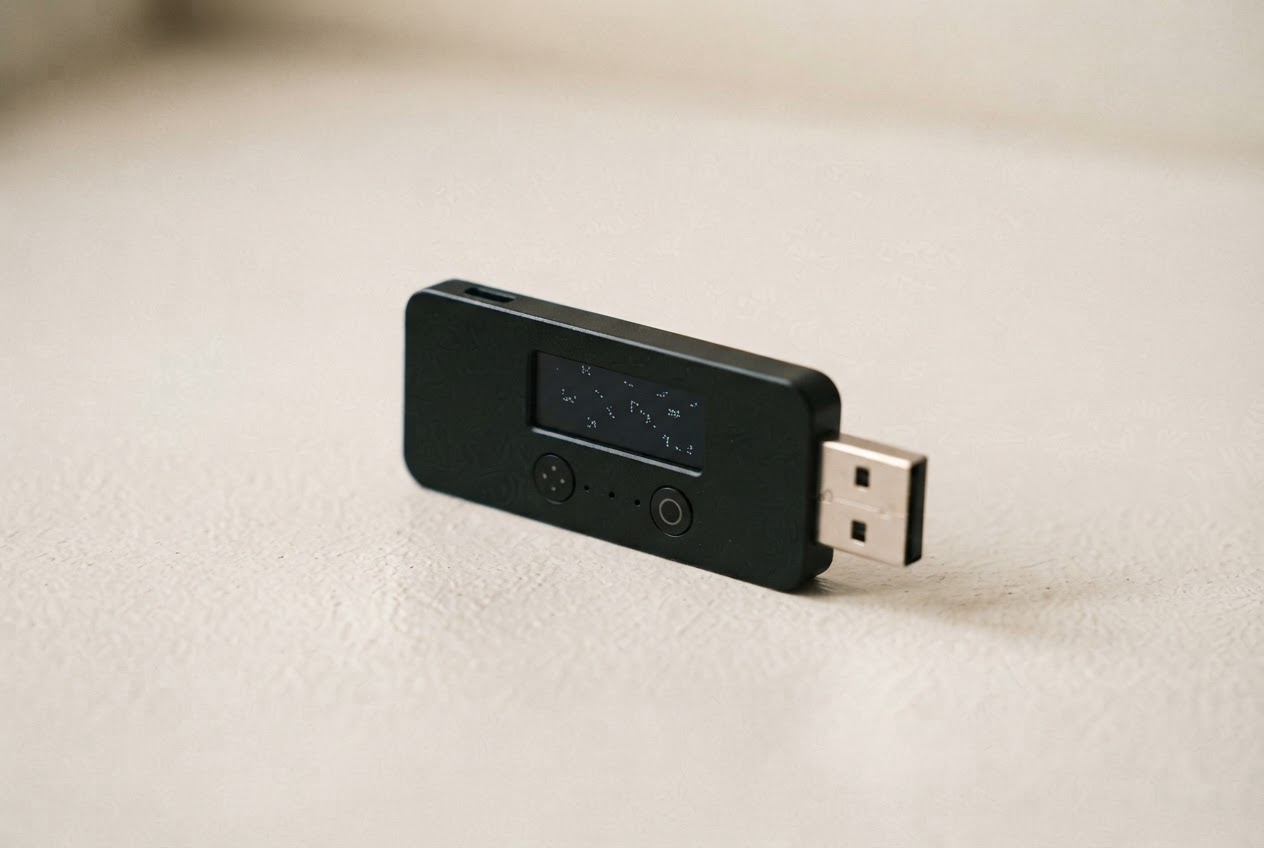
A hardware wallet setup is less about speed and more about establishing a trustworthy routine. If you arrived at Trezor.io/start, treat this guide as a map of the decisions ahead—not a substitute for the current instructions supplied by the manufacturer.
The Starting Point
A hardware wallet is designed to keep sensitive signing operations separate from the everyday computer or phone you use to browse. Setup gives you an opportunity to understand the device, its companion software, and the recovery method that matters if the device is lost or damaged.
Begin with the source. Type the address yourself or use a trusted bookmark, and check the spelling and secure connection before downloading anything. Search advertisements, unsolicited messages, and links in social posts can lead to look-alike pages. This guide is independent; for exact model-specific instructions, refer to the manufacturer’s own materials.
Preparation
Set aside a quiet few minutes, a reliable internet connection, and a clean workspace. Use a computer or phone you control, keep its operating system and browser current, and close any unexpected setup pop-ups. Unpack the device yourself and look over its packaging and physical condition. If anything seems unusual, stop and consult official guidance rather than improvising.
Decide where you can privately record recovery information and how you will protect that record from loss, fire, water, and casual discovery. Do not photograph it, paste it into notes or cloud storage, or share it with anyone. A password manager may help with ordinary account credentials; a recovery phrase is different and should not be treated as a normal login.
Understanding the Device Journey
The broad journey is straightforward: connect the device, use the appropriate companion application, install or update device software when prompted, initialize a wallet, and create or restore access according to your needs. Screens and steps vary by model and software version, so read the instructions shown on the device itself and confirm each prompt before continuing.
Give the process time. Do not disconnect during an update or interrupt a step simply because progress appears quiet. If a browser asks for an unexpected permission, or a prompt differs from the expected flow, pause and verify through official documentation. A steady pace is useful security engineering.
Verification
Verification is a habit of checking details on the device, not just on a screen you may not control. Review setup prompts directly on the hardware wallet and confirm that the action matches what you intended. When receiving funds, compare the full address displayed by the wallet with the address shown on your computer or phone before sharing it. Malware can alter clipboard contents, so a quick glance at only the first and last characters is not a substitute for a careful check.
Make a small, deliberate test before moving a meaningful amount, if that suits your situation. Understand network names, fees, and asset compatibility first; a wallet interface cannot make an incompatible transfer reversible.
Recovery Protection
During wallet creation, the device may present recovery words. These words can restore access, so anyone who obtains them may be able to control the associated funds. Write them down exactly as directed, in order, and complete any confirmation step using the device. Keep the record offline, private, and physically protected.
No legitimate helper needs you to send the words in a message, type them into a website, or read them over the phone. Never enter them into an unverified form—even one that looks polished or claims to fix an urgent problem. If you are restoring a wallet, use only the documented method for your specific device and verify that you are interacting with the device, not a page requesting secrets.
Security Awareness
Security continues after setup. Bookmark the genuine resources you rely on, use unique passwords where accounts are involved, and enable available account protections. Treat unsolicited support offers, giveaways, urgent warnings, and requests to connect remotely with skepticism. Search results and social accounts can be imitated; navigate independently rather than following pressure-driven links.
Keep device and companion software current through verified channels, and revisit your recovery plan occasionally. A hardware wallet can help separate key operations, but it cannot prevent every mistake, protect a compromised computer in every circumstance, or reverse a transaction sent to the wrong destination.
Beginner Mistakes
Common avoidable errors include rushing through prompts, assuming the computer display is always authoritative, leaving recovery words in a photo gallery, and sending assets without checking the network and destination. Another is confusing a device PIN with recovery information: they serve different purposes. Read the model’s documentation to understand what each credential does.
Most importantly, do not let anyone dictate a setup while you are uncertain. Stop, disconnect only when it is safe to do so, and independently find the correct official instructions. Taking a pause is not a failure; it is part of operating carefully.
Final Checklist
- Reached setup resources through a verified route
- Inspected the device and followed model-specific guidance
- Confirmed important prompts on the hardware device
- Recorded recovery words privately and offline
- Know never to share recovery words with anyone
- Will verify recipient address, asset, and network before transfers
FAQ
Is this official Trezor support?
No. This is an independent educational overview and is not affiliated with or endorsed by Trezor. Consult official documentation for current device instructions.
Should I share my recovery words with support?
No. Treat recovery words as secret access information. Do not disclose or enter them into a website or message.
Can setup protect me from every risk?
No single device removes all risk. Careful verification, secure recovery storage, and skepticism toward unsolicited requests remain important.